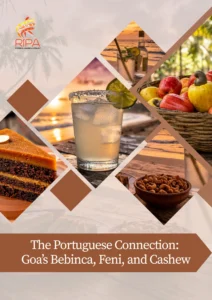
The Portuguese Connection Goa's Bebinca, Feni, and Cashew
Overview
When you think of Goa, beaches and nightlife often come to mind. But beneath its coastal charm lies a rich cultural and culinary legacy shaped by centuries of Portuguese influence. This fusion is beautifully reflected in three iconic Geographical Indication (GI) products: Bebinca, Feni, and Goa Cashew. These are not just food items, they are living symbols of Goa’s history, craftsmanship, and identity.
Goa remained under Portuguese rule for over 450 years, making it one of the most culturally hybrid regions in India. The Portuguese introduced new ingredients like cashew trees from Brazil and techniques such as distillation and layered baking.
Over time, Goan communities adapted these influences into their own traditions, resulting in unique creations like Bebinca and Feni. These products are now deeply rooted in local heritage and have earned GI status to preserve their authenticity.
GI-tag traditions from the Goa
Bebinca: The Layered Legacy
Bebinca is Goa’s most famous dessert, often referred to as the “Queen of Goan sweets.” It is a multi-layered pudding made from coconut milk, eggs, sugar, and flour. Each layer is baked individually, making the preparation time-intensive and skill-driven.
Bebinca is special, not just for its taste but its technique. Slow baking and layering reflect Portuguese dessert traditions, while the use of coconut and jaggery connects it to local ingredients. It is traditionally prepared during Christmas and festive occasions, symbolizing celebration and patience.
Feni: The Spirit of Goa
Feni is a traditional Goan liquor, available in two variants: cashew feni and coconut feni. The more popular cashew feni is made by fermenting and distilling the juice of cashew apples. This process is entirely indigenous and follows age-old methods using earthen pots and copper stills.
Feni holds GI status due to its unique production process and regional specificity. It is not just a drink but a cultural artifact, used in celebrations, rituals, and even home remedies. Its strong aroma and flavor make it distinct from any other spirit in the world.
Goa Cashew: From Colonial Import to Local Identity
Cashew trees were introduced to Goa by the Portuguese in the 16th century, primarily to prevent soil erosion. However, locals quickly recognized their economic and culinary potential. Today, Goa cashews are known for their superior quality, size, and taste.
These cashews are used in sweets, curries, and of course, in making feni. They represent how an imported crop became integral to Goan
agriculture and economy.
Beyond Taste: Preserving Heritage Through GI
Together, Bebinca, Feni, and Goa Cashew form a triad of Goan identity. They are present in festivals, family gatherings, and even tourism branding. These products support local artisans, farmers, and small-scale producers, ensuring the survival of traditional knowledge systems.
Moreover, GI recognition protects these products from imitation, preserving their authenticity and boosting their market value. For Goa, these are not just commodities, they are cultural ambassadors.