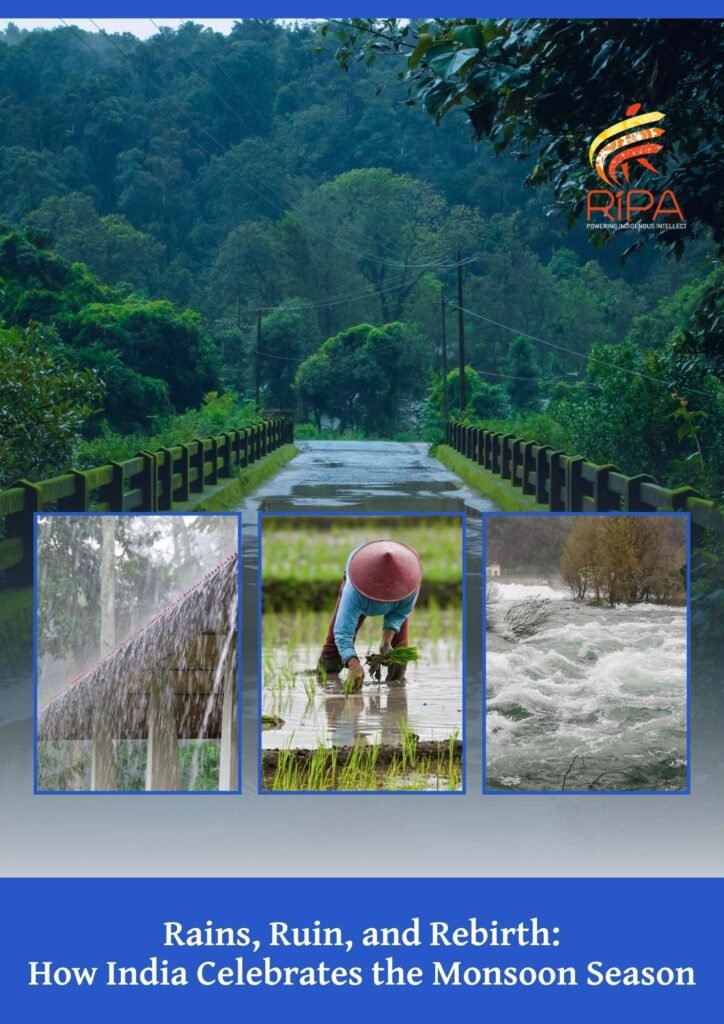
Rains, Ruin, and Rebirth How India Celebrates the Monsoon Season
Oveview
The Indian monsoon is much more than a weather report. For a nation where over half the population relies on agriculture, the annual rains are the ultimate heartbeat of life, culture, and the economy.
The Lifeblood of a Nation
The monsoon delivers nearly 80% of India’s annual rainfall. A good monsoon triggers a wave of national prosperity; a weak one threatens food security and stalls the GDP.
A Season of Celebration
As the parched, dusty landscape turns into a lush green paradise, India bursts into celebration. The rains dictate the planting of vital Kharif crops like rice and sugarcane, inspiring deep cultural gratitude.
Teej: Women in the north wear green and sing on tree swings to welcome the first drops.
Onam: Kerala celebrates a successful harvest with massive boat races and floral carpets.
Pola: Rural communities of Madhya Pradesh decorate and honor the oxen that plowed the muddy fields.
Behdienkhlam: Harvest festival in Jowai, Meghalaya, meaning “driving away the plague with sticks,” invoking blessings for health and bountiful crop yields.
Celebrated across Rajasthan, Haryana, Uttar Pradesh, and Bihar, Teej welcomes the monsoon with swings, folk songs, and vibrant attire while offering prayers to Lord Shiva and Goddess Parvati for marital bliss, prosperity, and life-giving rains.
This festive spirit is beautifully mirrored in iconic GI-tag crafts like Sojat Mehndi (premium herbal henna), Jodhpuri Bandhej (intricate tie-dye), Kota Doria (lightweight woven fabric), and Banaras Brocades (luxurious silk textiles), which are celebrated for their artistry during Teej rituals.
Onam
Kerala’s Onam is a grand harvest festival celebrated during the monsoon season. It commemorates the annual return of the legendary King Mahabali and features floral carpets (Pookalam), snake boat races, traditional dances, and the lavish Onam Sadhya. The festival reflects prosperity, unity, and gratitude for nature’s abundance.
This festive spirit is beautifully mirrored in iconic GI-tag crafts like Balaramapuram Sarees (fine cream-and gold handloom), Kuthampully Sarees (traditional jacquard borders), Pokkali Rice (brackish water grain), and Aranmula Kannadi (meticulously cast metal mirror), which are celebrated for their artistry during Onam rituals.
Pola Festival
Celebrated widely in MP’s southern districts, Pola Festival marks the end of the crucial monsoon sowing season. Since heavy rains soften the fields for plowing, farmers honor their oxen with rest, decorative paint, and rituals.
This festive spirit is beautifully mirrored in iconic GI-tag crafts like Datia and Tikamgarh Bell Metal Craft (traditional bullock-cart figurines), Leather Toys of Indore (handcrafted animal figurines) and Waraseoni Sarees (handwoven silk-cotton fabrics), Chinnor Rice (fragrant premium grain), and, which are celebrated for their artistry during Pola rituals
Behdienkhlam Festival
Celebrated by the Pnar community in Meghalaya, Behdienkhlam is a vibrant monsoon festival held to drive away disease and seek blessings for a bountiful harvest. Traditional rituals, colorful wooden structures, music, and community celebrations reflect the region’s rich indigenous heritage and its bond with the rainy season.
This festive spirit is beautifully mirrored in iconic GI-tag crafts like Ryndia Silk (eco-friendly peace silk), Larnai Pottery (traditional black clay), Garo Dakmanda (handwoven cotton textile), and Khasi Handloom (naturally dyed fabrics), which are celebrated for their artistry during Behdienkhlam rituals.
The Curse of the Floods and a Passion to Rebuild
Monsoon sometimes turns unpredictable. Heavy showers, violent cloudburst cause swollen rivers to wash away entire villages, ruin ready-to-harvest crops, and trigger deadly landslides. In urban areas, poor drainage systems create instant floods. Beyond this immediate chaos, stagnant water unleashes a secondary wave of waterborne diseases.
But the final chapter of the monsoon is always about resilience. As floodwaters recede, they leave behind nutrient-rich silt that naturally rejuvenates the soil. Guided by an unbreakable spirit, communities immediately unite to clear debris and replant fields.
It is a profound cycle of new beginnings, that even after the worst storms, life in India always finds a way to bloom again.