BLOG

Festive Sweets – A Taste of Culture

“Sweetness of Tradition, Joy of Celebration – Festive Sweets”

Overview

Not just a delicacy; Sweets are our emotions, love, and part of celebration. We may not exchange gifts, but sweets must be shared during any Indian Festivals. But have we ever thought about how deep the connection of sweets runs with our culture and traditions?

The Eternal Bond of Sweets and Festivals

Festivals are incomplete without sweets. It represents purity, happiness, and prosperity in everything from temple ceremonies to weddings, regional festivals to nationwide celebrated festivals like Diwali.

Jaggery, honey, and ghee were offered in rituals during the Vedic era (1500 BCE), this might be the earliest record of Indian sweets. After the discovery of sugarcane, India was called the “country of sugar” and as a result, countless sweet recipes were created and shared all over the world.
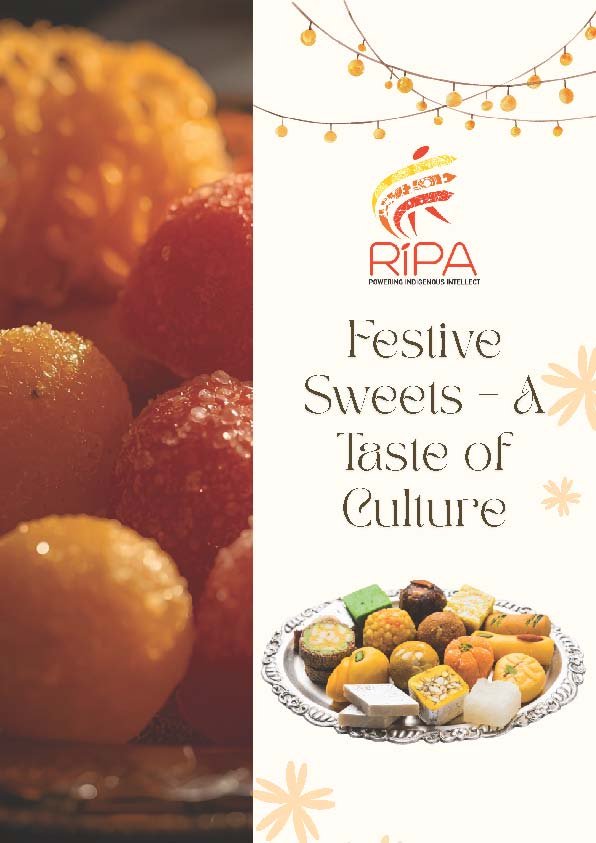
Every festival carries a signature sweet:

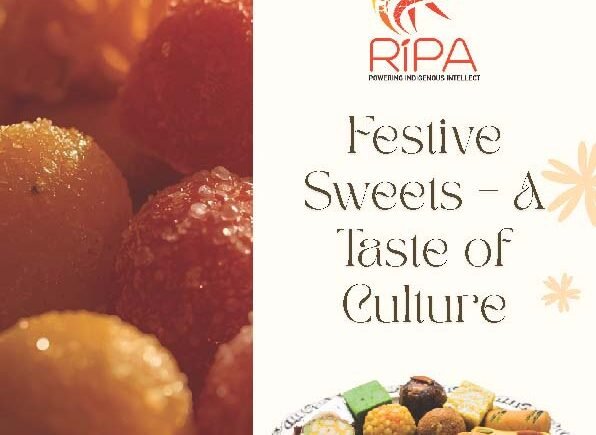
Diwali Ladoos is used for religious offerings in Diwali. Soan Papdi is the most common sweet on diwali, whereas Kaju Katli counts as premium sweets.

Holi →  Thandai sweets are a major part of holi celebrations, mostly people enjoy thandai and dance with joy and colors. Gujiya, Malpua is prepared for guests and relatives.

Durga Puja → Sandesh, Rasmalai is a traditional sweet from Bengal. During Durga Puja these sweets are offered to the Goddess, distributed to visitors, and consumed throughout the celebration.

Ganesh Chaturthi→ Celebrated mainly in Maharashtra, in this, a dumpling-style sweet, which is known as Modak, is prepared to offer to Ganesh ji.

Pongal →  A sweet dish, Sakkarai, is prepared to celebrate the harvesting season in Tamil Nadu.

The Magic of Ingredients

Just as silk is the premium of fabrics, desi ghee, dry fruits, and pure sugar/jaggery are the luxury of Indian mithai.


  • Ghee brings richness & purity
  • Dry fruits add royalty & nutrition.
  • Kesar & Cardamom for divine fragrance


These ingredients represent wealth, success, and good fortune. It also offers many health benefits, which is important because sweets are generally considered unhealthy. Staples like jaggery, coconut and different flours and nuts are very common ingredients for sweets all over India. But many region has its own special ingredients, such as cucumbers (like Dhondas) in the West, winter melon (Petha) in the North, apricots (Khubani ka Meetha) in Hyderabad, ragi (Ragi Manni) in the South, and fresh oranges (Komolar Kheer) in Assam.

From Temples to Homes

Sweets and Fruits are the main religious offerings in India. Some temples have their unique sweets for offerings, such as Kara Prasadam in Golden Temple (Punjab), Tirupati Laddu in Sri Vari Temple (Tirupati), and Chak-Hao-Kheer in Sri Govindajee Temple (Imphal).


Over time, people followed the trend and started preparing sweets in their home for religious offerings and to celebrate festivals at home. Many sweets are made as per long family tradition and culture in different places all over in India.

Regional Gems of Festive Sweets

India is a treasure chest of sweets, each state adding its flavor to the festive table:


West Bengal → Rasgulla, Sandesh, Mishti Doi

Maharashtra → Modak, Puran Poli

Rajasthan → Ghevar, Mawa Kachori

Tamil Nadu → Payasam, Adirasam

Punjab → Pinni, Patisa

Kerala → Unniyappam, Ada Pradhaman


Apart from this some sweets are recognised by GI Tag for their long history, uniqueness and cultural value.

GI Cherieshed Sweets - Honouring Our Culture and History

Banglar Rosogolla (West Bengal)

A sugary treat from West Bengal, known as Rasogolla, highlights the region’s culinary tradition. Developed by Nobin Chandra Das in the 19th century, these soft spheres made from chhena and sugar syrup are celebrated for their texture and sweetness.

Odisha Rasagola (Odisha)

Odisha’s Rasagola is a distinct type of cottage cheese ball, famous for its softer texture and caramel-like brown color. The origin of rasgola remains a debatable topic for years. Many believe it originated from Odisha.

Tirupati Laddu (Andhra Pradesh)

After worshiping Lord Venkateswara at the Sri Vari Temple in Tirupathi, pilgrims receive Sri Vari laddu or Tirupathi laddu as prasadam. This tradition dates back to the temple’s founding. The laddu is the main offering to Lord Venkateswara, known as Naivedhyam.

Mysore Pak (Karnataka)

Mysore Pak is a traditional sweet dish originating from the royal kitchens of Mysore, Karnataka, India, made with gram flour (besan), sugar, and ghee. It is known for its rich, dense, and melt-in-the-mouth texture, similar to a fudge, and is a popular sweet savored during festivals and celebrations across South India.

Silao Khaja (Bihar)

Silao Khaja is a special treat from Bihar known for its crunch, fluffiness, and sweetness. Made by skilled confectioners, it comes in multiple layers and is perfect as a snack or to impress guests. Visitors to Bihar should definitely try it for its unique taste and texture.


These sweets have unique origins and qualities, such as the use of specific ingredients or traditional preparation methods, protected by the Geographical Indication (GI) tag. Many other popular sweets such as Anarsa, Tilkut, khoya lai from gaya and  Peda from mathura are in the process of getting a GI Tag.

Sweet Making – From Hands to Hearts

Mithai making is as complex and creative as a craft or a masterpiece of art. The process is not just cooking; it involves many important steps, attention, and knowledge. To make a soul-pleasing mithai, the right ingredients, technique, and cooking skills are a must .

Basic Steps Are:

Selection of ingredients: Finest raw sugar, fresh milk, hand-ground spices.

Cooking with care: slow stirring, boiling, shaping.

Finishing: garnishing with saffron strands, silver leaf, and almonds.


Mithai makers (halwais) are the unsung heroes of festivals, keeping alive centuries-old recipes. Some sweet recipes are surviving today only because of our culture and festivals.

Sweets in Modern Celebrations

Traditional sweets are still dominating and can’t be compared to today’s modernised sweets.  Modern twists, sweets like chocolate barfi, fusion cakes, and sugar-free laddoos have emerged for younger generations. Yet, the soul of festive sweets remains unchanged.


Even globally, Indian mithai is making its mark at weddings, international food fairs, and stores in cities like London, Dubai, and New York.

Why Festive Sweets Remain Irreplaceable

“Kuch meetha ho jaye” is the most common phrase we use during any greeting or celebrations. This proves how sweets have become a part of our everyday lives.


During Festive seasons, markets are flooded with sweets, every sweets shop is decorated with a big colorful shed, and long queues of shoppers wait to get their favourite  sweets for celebrations. This sudden growth of consumers in the market benefits most of the business,including businesses dealing in sweets. Every year these businesses wait for festivals, to earn extra profit. When something becomes so valuable for our businesses and the economy of the country., it won’t be replaceable. Unlike modern desserts, festive mithai holds culture, blessings, and nostalgia.

Conclusion – A Bite of Heritage

Sweets are a blessing wrapped in the flavours of every corner of this country. It’s part of our culture, a culture that represents us worldwide.

Passing a mithai box to neighbors or exchanging sweets during festivals is not just a gesture; it’s a tradition that showcases our unity and bonding.

FAQs

1. Why are sweets so important in Indian festivals?

Festivals means celebration, and to celebrate we organise feasts. We need sweets to perform our rituals during festivals, we need sweets to celebrate our joy during festivals, we need sweets to complete our feasts during festivals. The necessity of sweets makes it very important to us in festivals.

2. Are festive sweets healthy?

Most sweets are full of sugar, but many sweets are fused with dry fruits, seeds and other healthy ingredients like jaggery, ghee and milk and dry fruits.

3. Which sweets are most popular during Diwali?

Ladoo, barfi, kaju katli, gulab jamun, and soan papdi are the most common Diwali sweets.

4. Are there regional variations in festival sweets?

Yes, India’s variety is evident in its sweets, such as Bengal’s Sandesh, Karnataka’s Mysore Pak, Agra’s Petha, and Maharashtra’s Modak.

5. Are GI-tagged sweets available in India?

Yes, many sweets have GI tags, such as Tirupati Laddu, Dharwad Peda, and Banglar Rasogolla, which certify their authenticity.
Read More →

BLOG

Silk Saree – Draped in Heritage, Designed for Today

Draped in Heritage, Designed for Today- Saree of Silk

The Saree – An Eternal Attire

Saree, a piece of cloth, a type of garment in the women’s wear section. Do we know only this, or do we have more to explore and learn about sarees?

For thousands of years, a garment that covers our bodies has been part of our life, culture, and tradition. Not just another piece of clothing, a Saree is more valuable and way different from modern clothing. The history of the saree dates back to the Indus Valley Civilization (3300-1300 BCE). People in the past knew little about fashion. When humans learned to cover themselves, they started with a draping technique, just covering the major body parts with a piece of cloth. This drape of a piece of cloth was the earliest form of the saree.

In Sanskrit, a Saree is determined by different words, such as “sati” or “satika,”. These words simply mean a strip of cloth. Not only in Sanskrit, but also in many different languages, the saree is described differently, but it clearly confirms that the saree shares a long history.

​Over time, different draping techniques and materials came into existence. If we take an example of our country India, more than 100 different methods are well-known and in use across different states. In Maharashtra, women wear a saree in nauvari style, Tamil Nadu women wear a saree in Madisar style, and Gujarat women wear a saree in Seedha Palu style. All parts of India have established their own individuality through the saree.

One thing that remains intact is its connection with being feminine, cultural, and a work of art.

The Magic of Silk

There is always a top-tier category in every kind of product available in the market. Saree is made from various kinds of fabrics, but no fabric can match the premiumness and luxurious feel of silk. In the saree world, silk fabric counts as a top-tier fabric.

In the past, only rich and prestigious people could wear silk. Apart from luxury, silk has many qualities: It is smooth, glossy, long-lasting, and has good thermal control.

History of Silk

In ancient China, a Queen accidentally unravelled silk cocoons when one fell into her tea. Silk became a popular fabric after it was discovered, and it was used to make a wide range of personal and domestic goods.

4,000 years back, India also started its own silk weaving traditions. Silk was as valuable as gold at that time. Only rulers and other highly ranked officers had access to this gem-like fabric. Temples used to create unique silk attire for our deities. It has always been associated with royalty and spirituality.

India has contributed to the legacy of silk sarees. Every state has its own history of silk sarees; some popular and mainstream silk sarees are Chanderi Saress from Madhya Pradesh, Kanjeevaram from Tamil Nadu, Rajkot Patola from Gujarat, Bhagalpur Silk from Bihar, Muga silk from Assam, Paithani from Maharashtra, Baluchari from Bengal, and Mysore silk from Karnataka.

Currently, India is the second-largest producer of silk in the world, and uniquely, the only country to produce all four commercial varieties: Mulberry, Tussar, Muga, and Eri.

Silk Sarees in Indian Festivals and Traditions

In India, festivals and ceremonies are incomplete without silk sarees. They are considered auspicious and are often chosen for special occasions like weddings, pujas, and cultural celebrations.


Weddings: The bride’s primary wedding dress in southern India is a Kanjeevarm saree adorned with pure gold zari. The Banarasi silk saree is a bride’s dress in Bengal as well.


Festivals: It’s a gold standard to wear silk sarees in festivals like Diwali, Durga Puja, Pongal, or Onam. Vibrant colours and spiritual patterns are unmatched; no other saree can compete with the silk saree in festivals.


Rituals & Ceremonies: Silk sarees are often used in many functions, whether it’s childbirth ceremonies, housewarming rituals, or anniversaries. These sarees are seen as blessings for prosperity and longevity.


Temple Culture: We offer money, fruits, sweets, and expensive items to our deities. Apart from these offerings, silk saree is another thing we offer to our god, because silk fabric is considered sacred, a symbol of purity and devotion.​

From Threads to Tradition

The silk saree-making process is very complex. Craftsmen often work day and night (some sarees require months) to create a single saree. It involves multiple steps, from raising silkworms to weaving the final fabric.


  1. Sericulture: Cultivation of silkworms to produce silk is the first step in the creation of a silk saree.
  2. Thread Extraction: Workers extract the thread one by one from harvested silkworm cocoons.
  3. Yarn Production: To make a single silk thread. Extracted natural fibres are spun, twisted, cleaned, bleached, and dyed in different colours.
  4. Weaving: Final threads are set on looms to create fabric. Most challenging and complex task, it requires utmost attention and skill.
  5. Finishing: In the final stage, Silk fabric is washed and dried before being cut and sewn into sarees for sale.

Cultural Fusion

The design and pattern on the silk saree represent our culture.


Some patterns carry deep cultural meanings, such as

  • Paisleys represent fertility and growth.
  • Lotus is seen as a symbol of purity and divinity.
  • Peacock is a symbol of beauty, royalty, pride, immortality, rebirth, and watchfulness.
  • Temple borders and checks reflect tradition and culture.


This cultural symbolism makes silk sarees more than clothing—they are storytelling canvases. Owning one is like holding a piece of history, culture, and identity.

Recognition of Art and Artist

In India, the saree industry provides livelihood to millions of artisans. Generations of families are associated with the saree-making business. Both technique and tradition advanced significantly. Handloom clusters are not just economic hubs but cultural reservoirs where skills, songs, and stories revolve around the craft.

Many handloom craft and traditional silk sarees are now recognized with a geographical indication tag, such as


  • Banaras Brocades and Sarees

Known for vibrant and long-lasting colours, these textiles reflect India’s rich heritage and artistry, making them essential for those who appreciate traditional weaving.


  • Bhagalpur Silk Fabrics & Sarees

Bhagalpur Silk, renowned as the “Queen of Silks,” blends tradition with modern style. Handwoven by skilled artisans, its rich texture and natural shine make it perfect for sarees, suits, scarves, or home décor.


  • Chanderi Sarees

Renowned for their sheer texture, lightweight feel, and graceful drape, these sarees are adorned with motifs of peacocks, lotuses, and geometric patterns in shimmering gold and silver threads.


  • Eri Silk

Eri Silk / Indi Silk from Assam, known as “Ahimsa Silk,” is soft, breathable, and eco-friendly with a unique matte finish. Handwoven with natural dyes, it reflects India’s heritage and sustainable craftsmanship.


  • Paithani Saree & Fabrics

Paithani Sarees, which have designs over 2000 years old. Each saree features rich borders and a grand pallu with peacocks and lotuses in gold and silver threads.


  • Rajkot Patola

Handwoven silk textile from Gujarat, featuring intricate double ikat patterns. Famous for its detailed double ikat patterns, these sarees symbolize heritage and luxury.


  • Srikalahasthi Kalamkari

Srikalahasthi Kalamkari is a traditional Indian art form with deep cultural and spiritual significance, renowned for its intricate hand-painted and dyed designs.


GI Tag aids local artisans in gaining global recognition and safeguarding their work from copying and misuse.

Silk Saree in Fashion and Modern Trends

No matter what is in fashion or whatnot, what is trending or whatnot, Sarees will always dominate over any other modern fashion or trend. To make traditional weaving methods appealing to younger generations, contemporary designers are fusing them with contemporary styles.

Global Appeal

Silk saree is applauded and appreciated for its beauty and charm at international fashion shows. Foreigners are going crazy to wear a saree and attend our weddings in popular cities like New York, London, and Tokyo. International celebrities have been spotted draping sarees in many events.

Why Silk Sarees Remain Irreplaceable

Some things never change; some things remain evergreen. Silk saree is deeply rooted in our culture and tradition. In some families, mothers preserve silk sarees to pass them on to their daughter-in-law. Unlike fast fashion, a silk saree lasts decades, growing more valuable with time, often becoming a family treasure.


Every silk saree is linked with memories of occasions, blessings, and milestones. Wearing one is not just about fashion; it’s about honouring heritage, celebrating womanhood, and carrying forward cultural pride.

Conclusion – Weaving the Past into the Future

Silk saree connects generations, inspires creativity, and holds cultural depth. For the survival of our tradition, heritage, and culture, the silk saree must be cherished among the young generations.


When you drape a silk saree, you do not just wear six or nine yards of fabric—you wear centuries of tradition, the dreams of weavers, the blessings of ancestors, and the elegance of timeless fashion. Truly, it is not just a saree; it is a legacy woven in silk.

FAQs

  1. How is silk fabric made? Is it synthetic or Natural?

We get silk from silkworms. Multiple methods are used to convert the silkworm cocoon into fine silk fabric. As we get silkworms from nature, silk fabric is a totally natural fabric.


  1. What makes a silk saree different from other sarees?

Silk fabric is known for its strength and shine. It is a premium fabric; no other fabric saree can match the quality of a silk saree.


  1. Why is the silk saree valued in our culture and traditions?

Silk is a sacred cloth, and we have been wearing silk sarees for years during our festivals and ceremonies.

Read More →

BLOG

The Role of Brass in Celebrating Festivals Through Crafts

The Role of Brass in Celebrating Festivals Through Crafts

Overview

From expensive art pieces to common hinges and locks, brass is everywhere. We use many brass-made items daily, but most of the time, they go unnoticed. Not only the crafts made of brass, but also the hard work and pain of the artisans involved in creating these magnificent crafts, often go unheard.

A brief history

A study of items discovered from the Indus Valley Civilization reveals the presence of brass made utensils, tools, and ornaments. These discoveries confirm that our civilization is among the oldest in the world. The use of tools and equipment was well known and discovered, which also confirms the presence of religion, politics, and economic trade.

New findings and developments in metallurgical expertise prove that earlier people discovered the composition of brass. Portions of copper and zinc combine to form a new metal, which we know as brass today.

Brass in Our Culture

Our ancestor knows the importance of pital (brass), kansa (bell metal), and loha (iron). These metals are not just for daily use but are guardians of health, symbols of prosperity, and vessels of ritual.

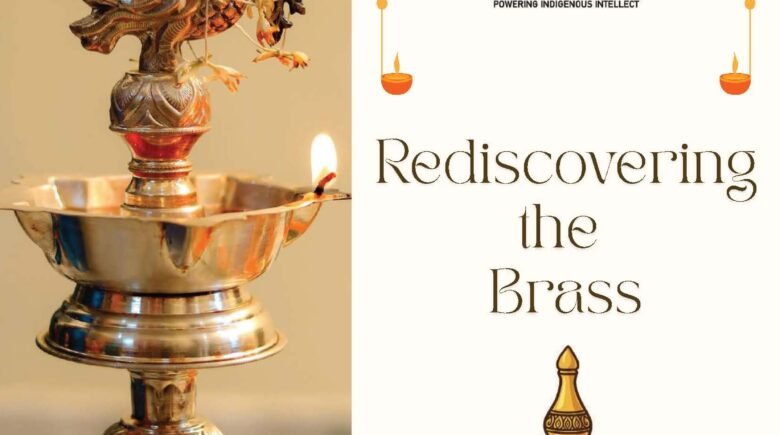
For centuries brass has been associated with our culture and life. Lota (spherical or round water pot) is a kind of vessel that is still widely used for religious purposes. Temple lamps made of brass are still lighting up our temples. Metals have shaped Indian life in ways we rarely pause to notice.

Advantages of Using Brass

Brass is way different from other metals. It has unique features and advantages. Brass is used for making utensils. These utensils fulfilled many purposes, such as the storage of food and water. It is also used for cooking various dishes. Art pieces made from brass are used in various forms, mostly as decorative show pieces or sometimes for religious purposes, such as worshipping brass made deities.


The legacy of Brassware is not just beautiful; rather, it is medicinal. Ayurveda and modern research both recognize its benefits:

  • Brass acts as a water purifier. It has antimicrobial properties. Helpful to eliminate life-threatening bacteria.
  • It also helps blood formation in our body, strengthens bones, and improves immunity.
  • Brass contains zinc, which can heal wounds faster.
  • It balances out Vata, Pitta, and Kapha (Ayurveda Doshas).


Acidic ingredients that can react with brass metal were well known in the past. A new method came into existence to tackle this problem, which is now known as Kalai. Tin, as a protective layer, is used to stop brass from reacting with acid. All this learning and technique made brass safe and practical to use.

Methods of Crafting Brass

Brilliant art pieces were created using this metal by generations of artists. It shows its rich history and legacy.

  • Melting: The process begins with melting the brass to resize or reshape. Melting any metal requires a high-temperature chamber.
  • Mold Selection: Selection of mold is necessary. Mold depends upon the desired design or shape. Different molds are used for different parts of an art piece to create a bigger art piece.
  • Pouring: Melted brass is poured into different molds. It’s a very important stage, and utmost attention is necessary because any difference in temperature may result in uneven shape or detail
  • Shaping: After the melted brass cools down, the craftsman removes the mold. Any change in shape is later corrected with different tools.
  • Finishing: At the end, craftsmen give a finishing touch-up to crafted pieces, like polishing or colouring. The creativity of the artist plays an important role in making the art piece stand out from others.


The abovementioned processes were slow, requiring patience and precision. But the results were incredible and admirable.

Decline in the Legacy

The modern world offers many alternatives to brass-made crafts, which are easily available and convenient to use. But there was a time when brassware was inseparable from Indian life. Every bride’s trousseau included shining brass-made utensils. Every evening, brass lamps were lit in homes. Temples echoed with brass bells.

But with industrialization and urbanization, new materials took over. Stainless steel was easy to clean. Aluminium was cheap. Plastic was everywhere. Brassware, with its need for polishing and care, faded away.

As demand fell, Artisans lost their livelihoods. In search of new jobs for their survival, they migrated to different urban cities.

Re-establishment of Brass Legacy

Upgrading with time is the need of the hour, but forgetting our roots, which help us to reach this stage of modernity, should be preserved. It is about making wiser choices for health, sustainability, and culture.

Artists need our support; it is time to make a step in the betterment of our own countrymen. Bring back the smile of hardworking artisans.

Ways to Use Brass

Brass-made decorative pieces are perfect for creating a rich cultural vibe at home.


  1. Buying deities for religious offerings and prayers. Brass-made sculpture looks way different than other plastic or clay made sculptures.
  2. Decorating your living room with a brass-made art piece. The main purpose of the festival is family get-togethers, parties, friends, and guests. All these people will be stunned looking at your art piece.
  3. Unique use of brass, replace all your Chinese lighting with elegant looking brass diyas.
  4. Festivals are a reminder of the season change. As we adapt to new weather, our body requires care and attention. We know brass-made utensils offer health benefits.
  5. Gifting brass made art pieces could be a far better gift than common repetitive gifts. If you want to give something useful, a brass bottle will fit perfectly as a useful gift.

Learnings and Takeaways

Brass was always part of life, but we never cared about it. It’s not as valuable as gold or silver, but it does not make it less worthy. It offers many benefits, which can’t be compared with another metal.

Each metal has its own specific properties. Over the years, Brass lost its importance. Easy and convenient tools replace brass-made items. The craftsmen left, struggling to survive.

As festival seasons are coming, one of our goals should focus on reviving our roots. Brass-made crafts are unique and important to us. If we try to consider brass made crafts over any other convenient items, it will impact thousands of craftsmen engaged with the production of brass-made craft.

Festivals like Dussehra, Diwali, Christmas, or any festival are celebrated with one common purpose, which is to spend quality time with our loved ones. Everyone deserved to enjoy and celebrate the festival; over the years, artisans lost so much in terms of time, money, and respect. It’s time to bring back the joy of the festival on their faces.

FAQs

1. Why is brass so important to us?

Brass is as important as any other metal. We use it for years, it has its features and quality, and it should co-exist with us.

2. How is Brass connected to our festivals?

Idols, statues, and many other brass items are used in our festival. Our Deities are made from brass; we offer prayers and do our religious practices with these brass made gods.

3. How much hard work goes into creating a single art piece?

All art pieces are made by individual craftsmen with no heavy machinery. Big companies have large manufacturing plants. They mass produce art pieces easily in a limited span of time while individual artisans work on a single art piece at a time. Raw material to eye-catching craftsmanship requires utmost care and attention, with backbreaking human efforts. 

4. What makes an artist's life challenging and struggling and why is it important to talk about their inspiring story?

The life of an artist needs to be studied; without any formal training and guidance, they create wonderful art pieces. Bare hands do wonders in the creation of life-long admiring art pieces, but still no recognition from the public or government. Big companies are stealing their work and selling it for their profits.

5. Where to find brass-made art pieces in India?

You can find a number of brass made art piece from various places in India. Moradabad is one of the popular cities for brass made art pieces. Moradabad metal craft is recognised and honoured with a Geographical Indication (GI) Tag.

6. Why is brass crafting difficult, time consuming and backbreaking for craftsmen?

Brass-made crafts production is a rigid process that involves multiple stages. Crafting steps such as melting, shaping and polishing takes time.

Read More →

BLOG

Earthen Diyas in Indian Festivals

Earthen Diyas in Indian Festivals

For millions of years, an Earthen Diya has provided a divine glow in Indian homes and temples. It represents how Indian has its rich traditions and cultural heritage for millions of years. These diyas are more than just decorative pieces. Diya connects us to India’s old cultural heritage.

They use their warm, soothing light to highlight the current moment. When we see a lit diya, we feel its beauty, but it’s not only glowing and removing darkness but also showing a glimpse of our history, which is full of glory and pride. With curiosity, as we explored the history and origin of Earthen Diy, we gained insight into its true meaning and traditional aspects. And we got our answer about why they became so essential and what the religious beliefs are among people for our festivities and in our celebrations.

Key Takeaways

  • The historical significance of the Earthen Diya in Indian culture.
  • The Earthen Diya is made in Indian festivals and celebrations.
  • The symbolic meaning behind the use of the Earthen Diya.
  • The artisans and families giving their time to create Earthen Diya.
  • The relevance of Earthen Diya in today’s world and in modern Indian tradition

The Cultural Heritage of Earthen Diya

When you track the roots and origin of The Earthen Diya, you will find that it is strongly connected to India. The creation of Diya was held in Indian. The Earthen Diya is more than simply a clay lamp; it is a symbol of India’s vast cultural variety.

The Characteristics of an Actual Earthen Diya

A real Earthen Diya is recognized by its simplicity, art, and craft, which is made with the full efforts of artisans and potters. For creating an earthen diya, materials like clay and natural color are used that enhance its look and authenticity. When you see the finished, usable earthen diya, you’ll realize how special it is and how hard the artisans worked to make it.

Spiritual Symbolism In Indian Culture

In Indian culture, millions of devotees believe that an earthen diya represents spirituality and positivity. When you read the Indian Vedas and scriptures and take reference from them, you will find a connection between the Diya with hope, prosperity, and victory.

Religious Significance Among Faiths

As we know, India is the most diverse place in the world, it is not only because it has the world’s oldest civilization, but also because it has different territorial religious beliefs and faith. You will find uniqueness and belief in the hearts of people and the art of living among people as you cover different places in India. But Diya is the most common thing among all. No puja, ritual is complete without it.

According to their belief who live in India bring good luck and prosperity. Especially on the occasion of Diwali, people lit diya to welcome goddess Laxmi ji and also to celebrate the homecoming of Lord Ram after victory over Ravana and completing 14 years of exile.

History And Origin

In homes, temples, and quiet spots for thought, diyas light up to show light and wisdom during prayers, rituals, and big days. They bring a warm, bright shine that means understanding, wealth, smarts, and deep thoughts. The diya shows us the victory of good and truth over bad and lies.

Each year, Diwali becomes the reason to feel and witness the grand victory of good over bad, as written in our Hindu holy books and the Ramayana. On the occasion of Diwali, Bhagwan Ram, Maa Sita, and Lakshman ji came back to Ayodhya after completing 14 years of exile by his father, King Dashrath Ji, and also after the death of Ravana.

Archaeological Evidence from Ancient India

Archaeologists in India discovered much evidence of a diya, which links back to the Vedic period. This heightens their significance in traditional rituals and everyday life. These findings gave proof for the importance of earthen diya in Indian culture.

Historical Evolution Through Dynasties

As time passes, artisans and people involved in making diya discover various ways of design that they implemented in diya, and also tried various making processes with different raw materials. If you go through old Vedic texts, you will realize how important these diyas were in the early period.

Vedic Period References

In the Vedic period, in religious rituals, earthen diya were used for prayers and for positivity. Diya was a symbol of light that was winning over outside darkness and from our inside darkness too.

Medieval Adaptations

In this time period, artisans explored new things like better techniques and decoration. New techniques and designs came in, showing the cultural and artistic changes of the era. Artisans and potters from various states of India created and manufactured different diyas according to their cultural beliefs and according to the beliefs of their Devi and Devtas.

The Art of Traditional Diya Craftsmanship

Crafting the Earthen diya is a very sacred and special tradition in India. Artisans and people involved in making their knowledge from one generation to another generation/ new generation. There are many families of artisans who have been preserving and shaping their legacy for over 200 years.

They put their efforts and hard work into every single step of making earthen diya, whether it’s picking the right kind of clay/ mitti or it is about the design, decoration, and final touch.

Clay Selection and Preparation Process

The earthen diya should be made by undergoing a few processes. Choose the right kind of mud or clay, the right amount of water should be added to it to make it semisolid, and then a potter or artisan uses a wheel to shape it. Spinning and handling it with love and care shape it with high accuracy.

The next process includes sunlight, which helps the diya to dry. After that, for more hardness, they use a kiln to bake. After that final product, that is, earthen diy, is made.

Hand-Molding Techniques

After the potter prepares the clay, artisans or potters give shapes to the Diya by hand with dedication and an accurate amount of pressure. They create the shape with great skill. This shows their talent and precision.

Firing and Finishing Methods

After giving shape to the diya, the Diyas are dried under the light of the sun or natural light and then fired in kilns. The firing process makes them strong and gives them a special texture. Artisans then add the final touches, like smoothing or decorations.

We could further claim that Earthen Diya is keeping India’s cultural heritage alive after so many years. It also helps local craftspeople and communities. 

An Earthen Diya is Used in Many Festivals

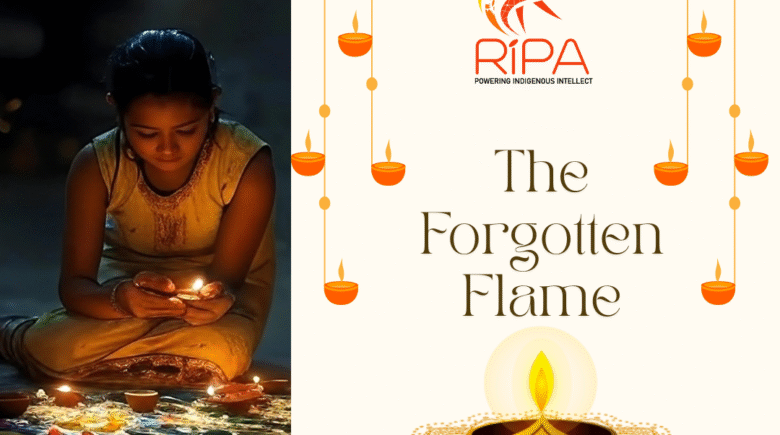
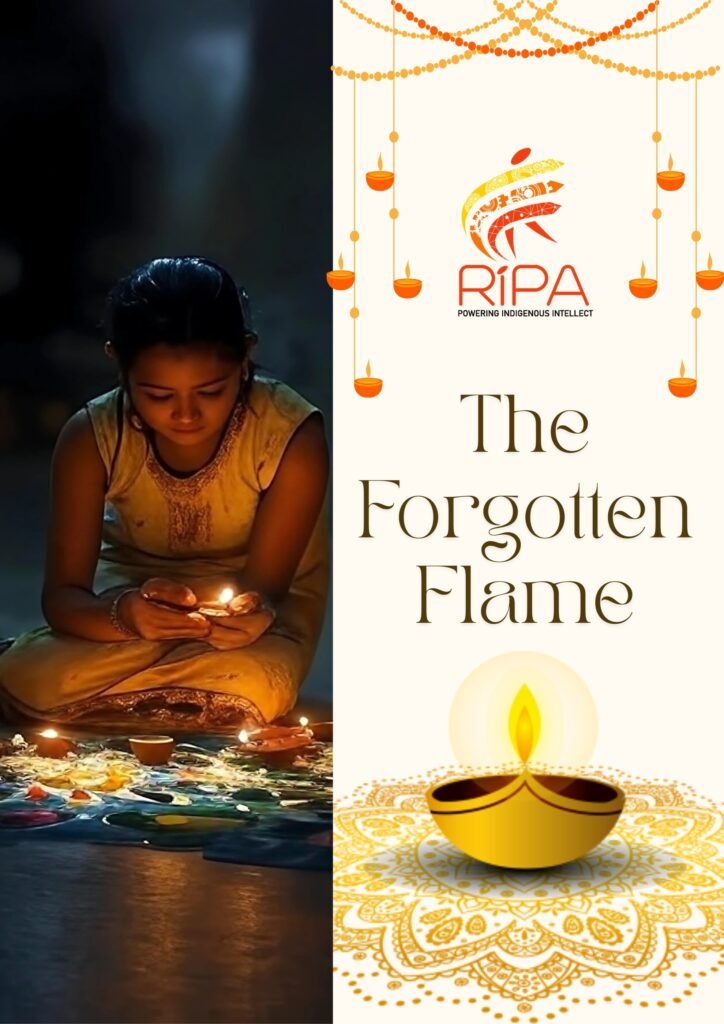
Diya beautifies the decoration and spreads a positive aura around them. Decorating rangoli and lighting diyas with rangoli is a fun and deeply significant Diwali tradition. In addition, it is believed that when Goddess Laxmi ji enters the homes of her devotees, the devotees create a spectacular rangoli at the entry of their home to welcome Goddess Laxmi ji..

The rangoli is made up of bright and sacred colors also and with beautiful flowers, and glowing diyas are placed with the rangolis to make it more attractive and to lighten up the path.

Lakshmi Puja Traditions: During Diwali, Lakshmi Puja is a very important ritual. To make the path visible to their home, people lit diyas in a pure heart full of belief that Goddess Laxmi will see the light and follow it to reach their home, and when she comes, she will give blessings to family and loved ones, and also luck, wealth, and happiness.

Dev Deepawali in Varanasi

Varanasi’s Dev Deepawali is amazing with Earthen Diyas. The ghats of the Ganga River light up with millions of Diyas and are also arranged in special shapes and patterns, which look more meaningful and beautiful from the top view. It’s a sight that draws visitors worldwide.


Karthigai Deepam in Tamil Nadu: The Karthigai Deepam festival occurs in the land of Tamil Nadu. During this festival, earthen diyas play an important role. Lighting the diya symbolizes a victory of light over darkness.


The Karthigai Deepam diyas are traditionally made from terracotta clay and have a rustic and earthly look. Earthen diyas add not just a simple look to festivals.

Earthen Diyas add charm to festivals, not just for looks. They carry deep cultural and spiritual values. The image below shows their unique beauty in celebrations.


  • Karthigai Deepam is a very important festival for the people of local Tamilians and plays a vital role in the celebration of Diwali and Lakshmi Puja.
  • Dev Deepawali, which is celebrated in Varanasi, and Karthigai Deepam, which is celebrated in Tamil Nadu, show us the cultural significance of Earthen Diyas.
Read More →

Subscribe to Our Latest Updates!

You have successfully subscribed to the newsletter

There was an error while trying to send your request. Please try again.

RIPA will use the information you provide on this form to be in touch with you and to provide updates and marketing.