GI Tagged Cuisines: Savory to Sweets, Celebrate the Taste of Heritage
The festive season in India is an explosion of colours, lights, and, most importantly, Flavors. Across the country, every region has its unique culinary traditions- Rasgullas of Bengal or Peda of Mathura. People have loved these for so long that the Government of India has made them protected culinary gems of India under the “Geographical Indications of Goods (Registration and Protection) Act, 1999”, which makes these cuisines not only unique but also verifies that they have a legacy and a unique traditional making process that no new machine made products can achieve.
Let’s deep dive into legendary GI-tagged Indian cuisines; we perfectly balance the sweet with the savoury.
The Sweet Showcase
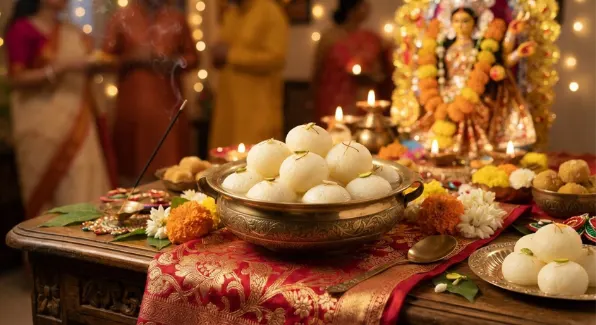
1. Bengal Rasgullas (West Bengal)
Little balls of pure, syrupy happiness: Rasgullas are made from chhena (Indian cottage cheese). To make chhena, halwais (traditional sweet makers) first boil milk, curdle it with an acid, and strain the liquid. After kneading the fresh chhena and shaping it into round balls, they boil them in a delicate sugar syrup. Every bite delivers a rich, milky texture that melts in your mouth, exploding with sweetness. They are the essential sweet for Durga Puja and Diwali, bringing ultimate joy to every festive celebration.
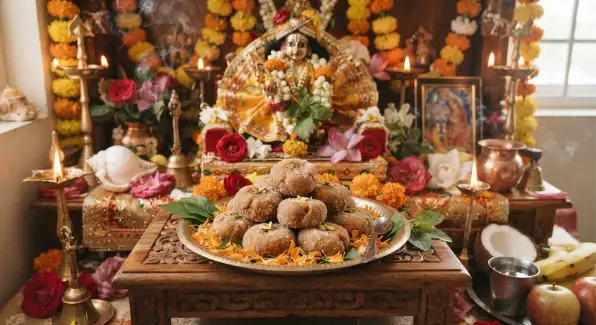
2. Mathura Peda (Uttar Pradesh)
Little Kanha’s favourite treat: Mathura peda is made by slow, painstaking roasting of mawa (milk solids) until it turns a deep, golden brown. Scented subtly with freshly crushed cardamom, Mathura Peda offers a rich, fudge-like consistency and carries a distinct caramelized flavour that sets them apart from ordinary milk sweets.
Peda is most commonly used as a sacred offering to deities, a sweet treat for siblings during Bhai Dooj, and a warm gesture for welcoming guests or as gifts for relatives during the festive season.
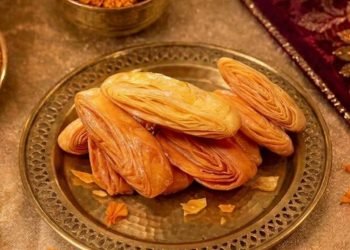
3. Silao Khaja (Bihar)
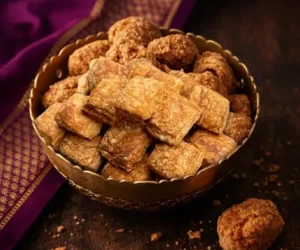
Flaky, sugary, and crispy delight: Made by layering refined wheat flour dough with ghee, rolling it thin, cutting it into rectangular pieces, and deep-frying until golden and crisp. The flaky, multi-layered pastry is then coated in warm sugar syrup.
Every bite offers a crunchy, flaky texture that shatters cleanly, balanced by a light sweetness that isn’t overpowering. It is the essential traditional sweet for weddings, Chhath Puja celebrations, and standard festive gatherings in Bihar.
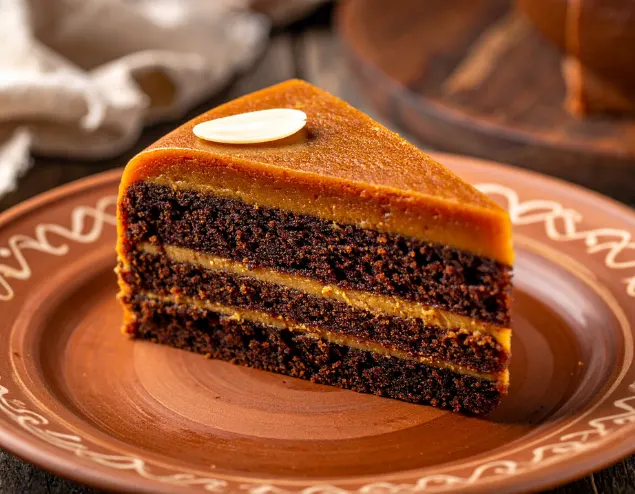
4. Gaon Bebinca (Goa)
Baked with patience, layered with love: Bebinca is the most delightful dessert made using clarified butter, coconut milk, sugar, egg, and flour. It is made by baking layer by layer to get the caramelized, light and dark strips, ranging from 7 to 16 layers.
Every slice offers a warm, custard-like texture that melts in the mouth, delivering a smoky sweetness balanced by rich coconut and spiced undertones. It is the grand centrepiece of Goan Christmas feasts, Easter celebrations, and traditional weddings.
The Savory Sensations
5. Ratlam Sev (Madhya Pradesh)
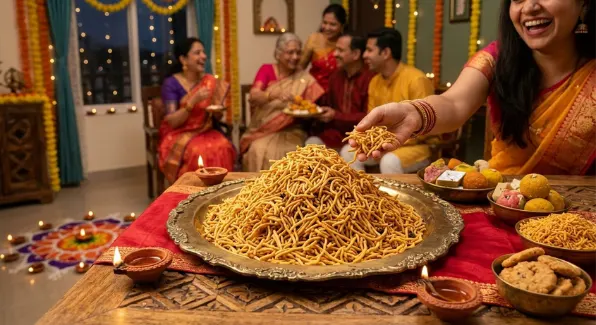
Perfect spicy contrast to traditional sweets: A mix of gram flour (besan) with a robust spice such as freshly ground cloves, black pepper, and hing. This spicy blend go through a perforated ladle directly into piping hot oil and deep-fried until perfectly crisp.
Every bite delivers an airy, highly crunchy texture that instantly shatters, unleashing a sharp, tongue-tingling warmth from the cloves balanced by savoury, peppery undertones. It is the indispensable savoury highlight of Diwali platters and everyday festive snack mixes.
6. Manapparai Murukku (Tamil Nadu)
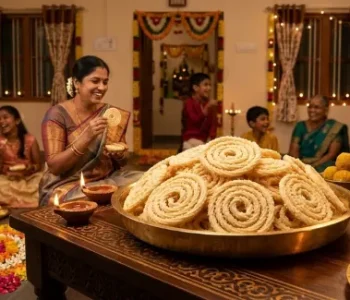
Spicy spiral of South India: Manapparai is a blessed town with mineral-rich groundwater in Tamil Nadu. This mineral-rich water, along with Rice flour, roasted gram flour, butter, cumin, and carom seeds (ajwain), is combined to make a dough that is pressed into a traditional star mold in a unique spiral shape and deep-fried twice in coconut oil until beautifully light-colored and crisp.
Every bite delivers an exceptionally brittle, hard shatter that transforms into a light, melt-in-the-mouth texture. It is the definitive savory cornerstone of Diwali, Krishna Jayanthi, and Pongal feasts across Tamil Nadu.
7. Bikaneri Bhujia (Rajasthan)
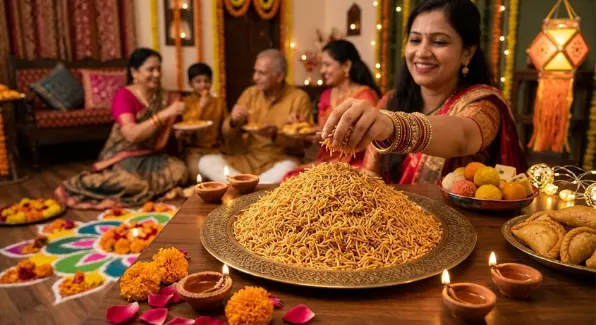
Ultimate crispy balance to sweet festive hampers: Bikaneri Bhujia is a famous crunchy snack from Bikaner, Rajasthan, made primarily with moth bean flour, gram flour, and a unique blend of spices. Its distinct taste and aroma have made it a household favourite throughout India and in many countries abroad.
Enjoyed as a standalone treat or mixed with other snacks, Bikaneri Bhujia is a must-have in festive gift hampers. Its crispy, spicy texture and authentic flavour make it a beloved snack for people of all ages.
A Must Try
8. Mithila Makhana
Not sweet, nor Savory, just healthy festive snacking:
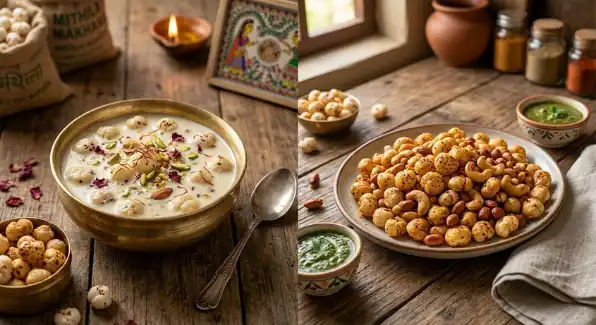
Mithila Makhana, also called fox nut, is an aquatic crop cultivated in Bihar’s Mithla region. To make, seeds of water lilies are sun-dried, roasted in iron pans, and skillfully popped by hand using a wooden mallet.
Every white puff delivers an incredibly light, airy crunch with a neutral, mild nutty flavor that effortlessly absorbs roasting spices, ghee, or sweet milk. It is the indispensable sacred centerpiece for Kojagara Puja, Chhath celebrations, and festive fasting rituals across Bihar.
9. Ooty Varkey
The perfect sweet-and-savoury gift for every joyous occasion: The making of Ooty Varkey begins by mixing wheat flour, sugar, salt, and local mineral-rich Nilgiris water into a smooth dough. The dough is fermented overnight then bakers repeatedly roll and layer the dough with fat by hand then slow baked in brick ovens to achieve its unique texture.
Every bite makes the crispy outer shell shatters into numerous flaky, buttery layers, offering a well-balanced flavor profile that is mildly sweet and distinctly savoury. It is the definitive tea-time staple during winter gatherings, Christmas feasts, and family get-togethers.
Savouring Heritage, One Bite at a Time
Buying India’s GI-tagged treasures during the festive season is far more than a routine purchase, it is a heartfelt celebration of the nation’s most vibrant stories, unyielding purity, and enduring heritage. Every delicacy, from the flaky, multi-layered sweetness of Silao Khaja to the rich, slow-baked custard bliss of Goan Bebinca, offers you an authentic taste of a region’s soul.
These certified delicacies honor the local artisans, farmers, and confectioners who have spent centuries perfecting their craft and creation.