Go Green, Stay Traditional This Diwali, Bring Sustainability Home with Indian GI Products
Sustainability is no longer just a lifestyle choice; it is becoming an essential part of the way we live, shop and decorate our homes. As people become more conscious towards nature, it’s the right time to highlight our century-old crafts, once cherished and loved throughout history.
Across India, communities have been transforming natural materials such as grass, bamboo, reeds and jute into beautiful everyday products for generations. These crafts not only provide sustainable alternatives to mass-produced plastic items but also help preserve traditional skills and support the livelihoods of artisans.
Let’s explore remarkable Indian crafts that can help make your home more sustainable without compromising on style or functionality. All these crafts are recognized with GI tags for their heritage, sustainability, and extraordinary craftsmanship.
1. Assam Pani Meteka Craft
Why Is It Eco-Friendly?
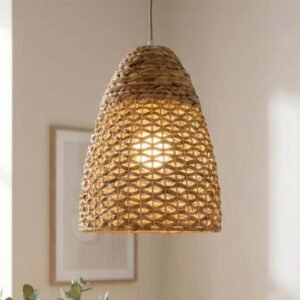
Pani Meteka (water hyacinth), is an aquatic plant that grows abundantly in water bodies. When managed and harvested responsibly, this plant can become a useful raw material for traditional handicrafts. Artisans dry and process its stems before weaving them into different products. Using water hyacinth can help create economic value while precoating waterbodies from invasive aquatic weeds.
Products for Sustainable Living
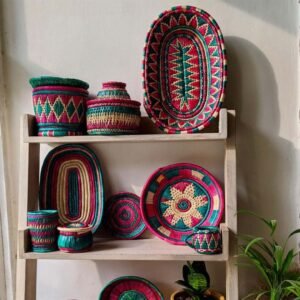
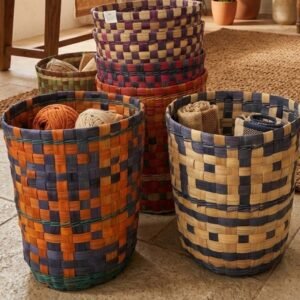
The natural texture and flexibility of Pani Meteka make it suitable for both home décor (decorative baskets, table mats) as well as utility items (storage baskets, laundry hampers, handbags and organisers).
2. Bihar Sikki Grass Craft
Why Is It Eco-Friendly?
Sikki grass is a natural fibre traditionally used by artisans in Bihar, particularly in the Mithila region. Known for its beautiful golden appearance, this grass is harvested, dried and transformed into intricate handcrafted products.
As a renewable plant-based material, Sikki grass offers an alternative to certain synthetic decorative materials. Its traditional handcrafting techniques also preserve low-mechanisation production practices and support local artisan communities.
Products for Sustainable Living
Decorative wall hangings and paintings made from this material are perfect for adding charm to any space, while jewelry boxes, storage containers, trays, and small organizers offer a much better alternative to plastic options.
3. Madurkathi - West Bengal
Why Is It Eco-Friendly?
Madur Kathi is a traditional grass-weaving craft of West Bengal, particularly associated with the Paschim Medinipur region. It uses Madur Kathi grass, a natural reed cultivated in wetland areas.
The grass is harvested, sun-dried, softened and woven into mats using traditional bamboo-frame looms. Artisans often use vegetable or other suitable dyes to add colour and patterns to the products.
Products for Sustainable Living
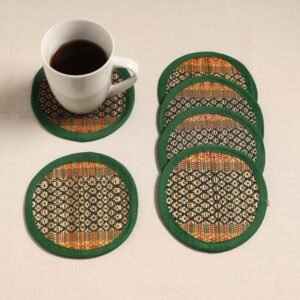
As a natural plant-based material, Madur Kathi offers an alternative to synthetic floor coverings and decorative products. Its traditional hand-weaving process also supports local artisan communities and preserves an age-old craft.
4. Ghazipur Wall Hangings - Uttar Pradesh
Why Is It Eco-Friendly?
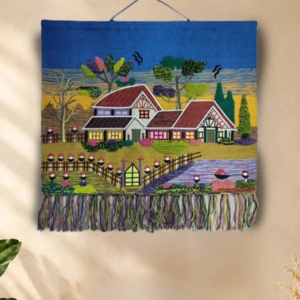
Ghazipur wall hangings showcase the creative use of natural fibres, particularly jute, in traditional handcrafted décor. Jute is a renewable plant-based fibre that is biodegradable. Its cultivation can also offer environmental advantages, including relatively low dependence on synthetic agricultural inputs in many production systems.
Traditional jute craftsmanship gives natural fibres a longer functional and decorative life, offering an alternative to certain synthetic home décor materials.
Products for Sustainable Living
Ghazipur wall hangings are renowned for their artistic beauty, offering not only visual appeal but also a commitment to sustainability and environmentally conscious living.
5. Tripura Bamboo Craft
Why Is It Eco-Friendly?
Bamboo is easily the most sustainable and practical to use material we can source from the environment. It can regenerate through its underground root system, and harvesting mature bamboo responsibly allows new growth to continue. Through traditional cutting, shaping and weaving techniques, artisans from Tripura transform bamboo into durable products for everyday use.
Products for Sustainable Living
Bamboo also has a wide range of applications, making it a versatile alternative to several synthetic materials. Mugs, straws, bottles and many functional bamboo made items are perfect for our daily essentials as well as festive celebrations.
6. Alleppey Coir and Screw Pine Crafts of Kerala
One craft uses the coconut husk while another one uses the leaves of the screw pine plant to create the most unique, useful and sustainable products in Kerala.
Alleppey Coir: This craft makes productive use of coconut husks, an agricultural by-product that might otherwise be discarded. Coir is a natural, renewable and biodegradable fibre.
Screw Pine Craft: Sourced directly from nature, wild screw pine leaves are carefully collected, cleaned, dried, and split into fine strips before being woven by skilled artisans.
Both these crafts provide livelihoods to thousands of workers and support Kerala’s rich heritage of sustainable craftsmanship
Products for Sustainable Living
Alleppey Coir: Coir’s strength, texture and versatility make it suitable for a variety of household applications. Such as Coir rugs, door mats, decorative floor coverings, baskets, ropes, storage accessories and household mats.
Screw Pine Craft: Screw pine weaving combines natural beauty with everyday functionality with decorative mats, table runners, handbags, purses, storage boxes, mats and organisers.
7. Pattamadai Pai - Tamil Nadu
Why Is It Eco-Friendly?
Pattamadai Pai, popularly known as Pattamadai Mats, is a traditional mat-weaving craft from Pattamadai in Tamil Nadu. The craft uses Korai grass, which grows along the banks of the Thamirabharani River. The grass is harvested, soaked, cleaned and split into fine strands before being woven into beautifully detailed mats using traditional handlooms.
Products for Sustainable Living
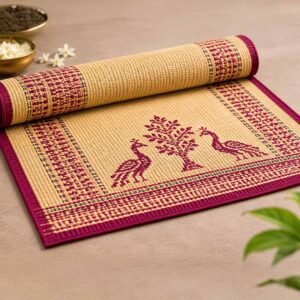
Korai grass is a natural plant-based material that offers an alternative to synthetic matting and floor coverings. Pattamadai Pai is primarily known for its finely woven mats, which combine functionality with traditional artistry.
8. Kouna Crafts - Manipur
Why Is It Eco-Friendly?
Kauna is a natural water reed traditionally used by artisans in Manipur. The grass is harvested, dried and woven into different products using traditional techniques.
Its natural origin and ability to regenerate make it a valuable raw material for sustainable handicrafts. Its traditional hand-weaving process also requires relatively simple tools and limited mechanisation. “Kouna Crafts” is currently under registration process for Geographical Indication (GI) Tag recognition.
Products for Sustainable Living
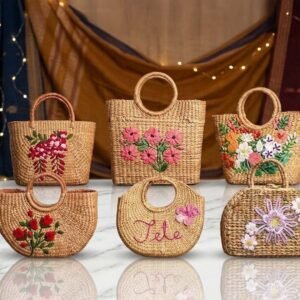
Kouna Crafts creates exceptional handbags, floor mats, planters, and vases, beautifully elevated by intricate embroidery and artisanal design.
Bring Home Sustainable Craftsmanship
A sustainable home doesn’t have to compromise on beauty, style, or functionality. India’s traditional crafts showcase how natural materials and generations of skilled artisanship can produce products perfectly suited to modern living.
At RIPA, we celebrate India’s diverse craft heritage by supporting and empowering traditional artisans across the country. We encourage you to make a meaningful impact: Go Green, Stay Traditional. Choose handmade and authentic GI products, support Indian artisans, and make sustainability a part of your everyday life and seasonal celebrations.