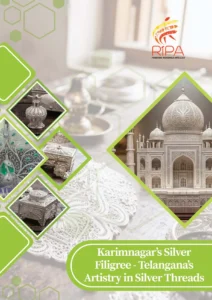
Karimnagar’s Silver Filigree - Telangana’s Artistry in Silver Threads
Introduction - The Silver Legacy of Karimnagar
Silver filigree, often called the “Silver Fringe of Karimnagar”, is a centuries-old metal craft that defines the cultural heritage of Karimnagar, Telangana. This intricate art involves twisting, curling, and weaving fine silver wires into lace-like patterns, with each piece painstakingly handcrafted by skilled artisans.
Passed down through generations, the tradition showcases the patience, precision, and artistry of local families, earning the city both recognition and pride for its enduring elegance and craftsmanship.
Around 200 years ago, filigree work was a renowned craft in Hyderabad State, a wealthy princely state ruled by the Nizams. The historic hub of this craft was Elgandal (a town near present-day Karimnagar in Telangana, India) before the artisans permanently migrated to Karimnagar town in the early 20th century.
The Craftsmanship Behind the Art
One of the most remarkable aspects of silver filigree is the effort involved in its creation. A single piece may require days or even weeks of meticulous work. Artisans begin by drawing silver into extremely thin wires. These wires are then shaped into delicate motifs and soldered together to form the final design. The process demands not only technical skill but also immense concentration and artistic vision
The Beauty of Karimnagar's Silver Filigree
The beauty of Karimnagar’s silver filigree lies in its extraordinary craftsmanship and artistic elegance. Every piece is carefully handcrafted using fine silver wires that are twisted, curled, and woven into delicate patterns. The intricate designs resemble lacework, giving the silver a light and graceful appearance despite being made from metal. This unique combination of strength and delicacy makes silver filigree one of the most admired handicrafts of Telangana.
Intricate and Delicate Designs
Fine Wirework – The hallmark of Karimnagar silver filigree is its exceptionally fine wirework. Artisans transform pure silver into thin strands and shape them into detailed motifs. The precision required for this process showcases the remarkable skill and patience of the craftsmen.
Lace-Like Appearance – The interwoven silver wires create patterns that resemble delicate lace fabric. This gives the artwork an elegant and sophisticated look that distinguishes it from other forms of metal craftsmanship.
Variety of Artistic Creations
Decorative Objects – Karimnagar artisans create a wide range of decorative items, including flower vases, jewelry boxes, trays, and miniature sculptures. These products are admired for their beauty and are often used as display pieces in homes and offices.
Traditional and Modern Jewelry – Silver filigree is also used to create necklaces, earrings, bangles, and pendants. While many designs reflect traditional Indian aesthetics, modern patterns have also emerged to appeal to contemporary tastes.
Cultural and Symbolic Beauty
Representation of Heritage – Many filigree designs incorporate motifs inspired by Indian culture, nature, and architecture. Peacocks, flowers, temples, and historical monuments are common themes that reflect the rich cultural heritage of the region.
A Symbol of Telangana’s Artistry – The craft serves as a symbol of Telangana’s artistic excellence. Its beauty is not only visual but also cultural, as it represents generations of craftsmanship and tradition.
Challenges and Preservation
The Silver Fringe of Karimnagar is more than a craft; it is a story of tradition, resilience, and cultural pride. It represents the dedication of artisans who continue to keep this heritage alive despite various challenges, including competition from machine-made products, rising silver prices, and a declining number of young artisans entering the profession. Despite these difficulties, craftsmen remain committed to preserving the art and passing their skills on to future generations.
Geographical Indication (GI) Recognition
A significant milestone in the preservation of Karimnagar Silver Filigree was its recognition as a Geographical Indication (GI) product. This status acknowledges the unique craftsmanship and regional identity of the art form, linking it specifically to Karimnagar. The GI tag helps protect the authenticity of the craft from imitations and promotes its reputation in national and international markets.