Uncategorized

Pen Ganesha Idols The Craft Behind Maharashtra’s Beloved Bappa

Pen Ganesha Idols: The Craft Behind Maharashtra's Beloved Bappa

Overview

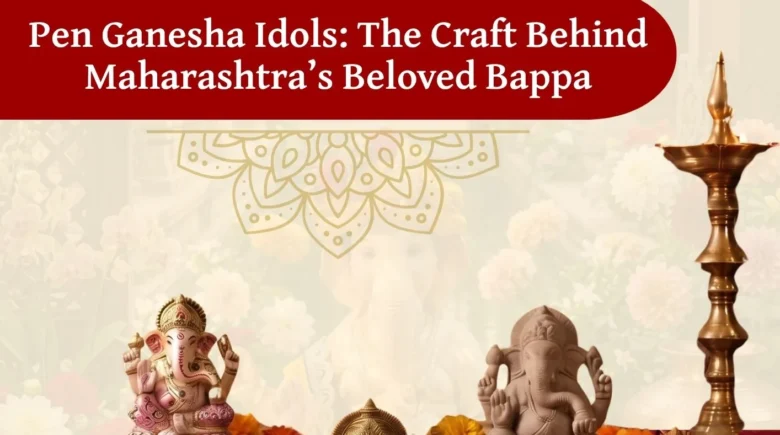
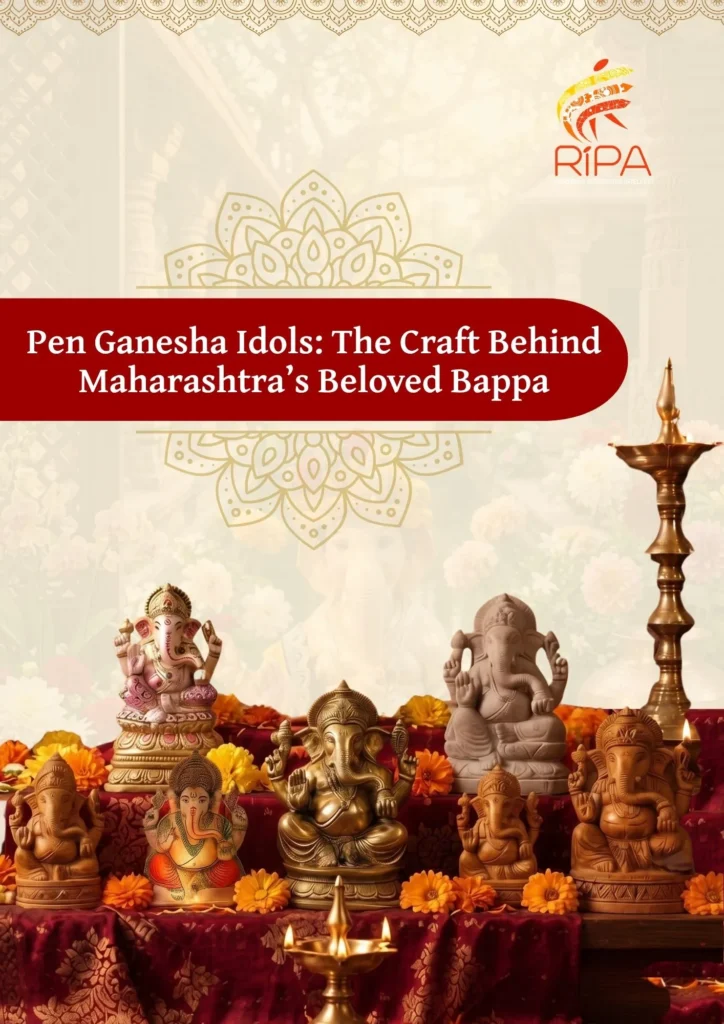
As Ganesh Chaturthi approaches, homes, pandals and streets across Maharashtra begin preparing to welcome Lord Ganesha. Among the many places associated with this beloved festival, Pen in Maharashtra’s Raigad district holds a special place.

Known as one of the country’s most important centres for Ganesha idol-making, Pen comes alive months before Ganesh Chaturthi. Skilled artisans work day and night to create thousands of beautifully crafted idols, continuing a tradition that has been passed down through generations.

A Tradition Rooted in History

The tradition of making Ganesha idols in Pen has been carried forward for generations. What began as a local craft gradually developed into a major industry, with the skills of sculpting and painting being passed from parents and grandparents to younger generations.

Pen and the surrounding villages, particularly Hamrapur, are now widely recognised for their Ganesha idols. Every year, idols made by artisans here travel far beyond Maharashtra, finding their way into homes and public celebrations across India.

The craft is not simply a means of livelihood for these families. For many artisans, Ganesha idol- making is a part of their cultural identity and heritage.
How a Pen Ganesha Idol Is Made

Creating a Ganesha idol is a detailed process that requires patience, precision and artistic skill.

●  Sourcing the Earth: Preparing the sacred shadu mati (natural clay).
●  Shaping Divinity: Structuring the physical frame and core proportions.
●  Ornate Artistry: Carving intricate jewelry, traditional attire, and crowns.
●  The Sacred Gaze: Bringing Bappa to life by painting the eyes with absolute precision.
●  The Divine Awakening: Witnessing the final transformation into a beautifully painted deity.

More Than Just an Idol

For devotees, a Ganesha idol is not merely a decorative object. It represents the presence of Lord Ganesha, the remover of obstacles and the deity associated with wisdom, prosperity and new beginnings.

During Ganesh Chaturthi, families bring Ganesha idols into their homes with great devotion. The idol becomes the centre of prayers, aartis and celebrations before being ceremonially immersed during visarjan.

For the artisans of Pen, however, the idol carries another meaning. It represents their heritage, livelihood and generations of craftsmanship.

The Significance of Pen’s Ganesha Idols

The popularity of Pen Ganesha idols has made the town an important part of Maharashtra’s cultural landscape. The craft connects faith, art, tradition and livelihood in a unique way.

With growing awareness about environmental concerns, many artisans are also focusing on eco-friendly clay idols that are more suitable for natural immersion.

In 2024, Pen Ganesha idols received a Geographical Indication (GI) tag, giving formal recognition to the distinctive traditional craft associated with the region.

As Bappa Comes Home

When Ganesh Chaturthi arrives and devotees bring their Bappa home, they may see only the finished idol. But behind that smiling face are days and months of work, generations of knowledge and the hands of artisans who have dedicated themselves to keeping the tradition alive.

This Ganesh Chaturthi, as we celebrate Bappa, it is also worth remembering the craftsmen of Pen, the people who transform clay into a symbol of faith, devotion and joy.

Because every pen ganesha idol is not just made by hand; it carries a tradition.
Read More →

Uncategorized

Andhra Pradesh’s Unique Crochet Lace Art

Andhra Pradesh’s Unique Crochet Lace Art

Overview

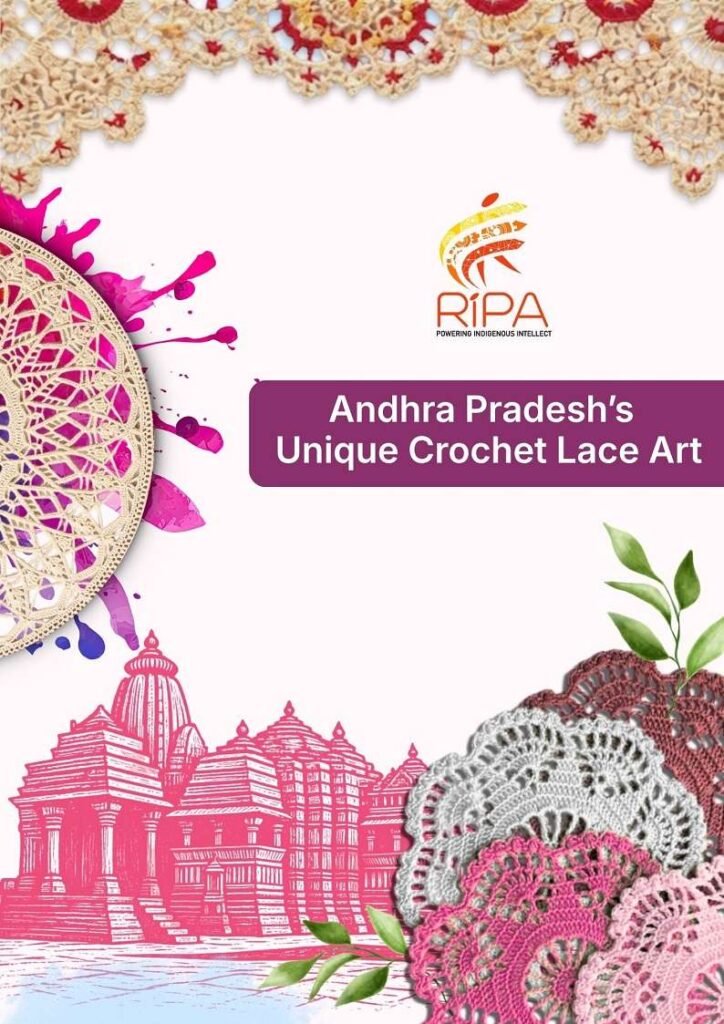
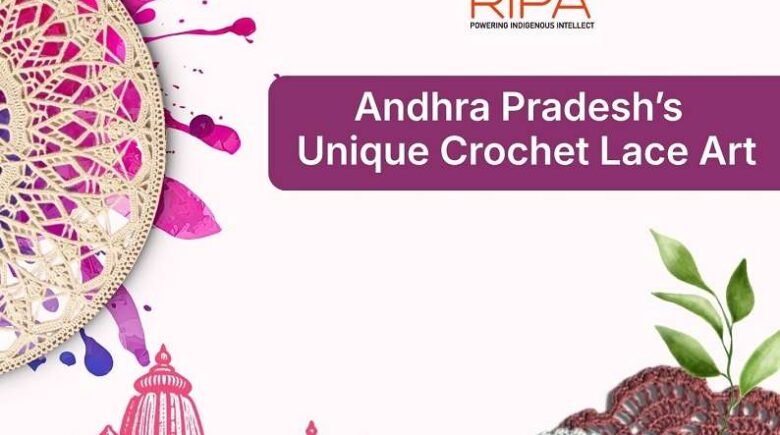
Narsapur Crochet Lace is one of India’s finest handcrafted textile traditions, celebrated for its intricate patterns, delicate craftsmanship, and timeless elegance. Originating from the town of Narsapur in Andhra Pradesh’s West Godavari district, this lacework is created entirely by hand using a crochet hook and fine cotton threads. From table runners and doilies to garments and home décor, Narsapur Crochet Lace reflects generations of artistry passed down through skilled artisans. Its global appeal and exceptional quality have made it a symbol of India’s rich handicraft heritage.

The History of Narsapur Crochet Lace

The art of crochet lace making reached Narsapur during the 19th century through Christian missionaries, who introduced the craft to local women as a means of livelihood. Over the decades, the artisans transformed this European technique by incorporating Indian creativity and motifs, creating a distinctive style that is now recognized worldwide.


Today, thousands of women in and around Narsapur continue this tradition, preserving an age-old craft while supporting their families through handmade production.

Crafting Process

Every piece of Narsapur Crochet Lace is handcrafted with precision and patience.

The process includes:

  • Selection of high-quality cotton or mercerized thread.
  • Designing the lace pattern based on traditional or contemporary motifs.
  • Hand crocheting each stitch using a fine crochet hook.
  • Joining individual motifs to create larger products when required.
  • Washing, starching, and carefully finishing the lace for a neat appearance.
  • Final quality inspection before packaging.

Since every stitch is made by hand, no two pieces are exactly alike, making each creation unique.

Products Made from Narsapur Crochet Lace

The exceptional versatility of this traditional craft enables artisans to produce a diverse collection of premium items, categorized across three primary sectors:

1. Home Furnishings & Décor

  • Tableware: Tablecloths, runners, and elegant linens.
  • Bedding: Bedspreads, premium bedding sets, and throws.
  • Accents: Cushion covers, sofa covers, curtains, and ornate doilies.

2. Apparel & Accessories

  • Women’s Wear: Dresses, blouses, kurtas, tops, and skirts.
  • Children’s Wear: Kids’ tops, dresses, and coordinating skirts.
  • Fashion Accessories: Stoles, winter caps, and decorative wraps.
  • Bags & Pouches: Handbags, purses, mobile covers, and small pouches.

3. Commercial Trimmings & Laces

  • Intricate Borders: Premium yardage designed specifically for sarees and formal gowns.
  • Fine Edgings: Delicate lace trims to embellish hemlines, necklines, and drapery.

Why Narsapur Crochet Lace Stands Out

Narsapur crochet lace is highly valued for being entirely handcrafted using traditional crochet techniques to create fine, intricate patterns with exceptional detailing. It is lightweight, elegant, and durable, as well as eco-friendly since it is made primarily from natural cotton thread. Additionally, this unique craft supports the livelihoods of thousands of women artisans and is widely appreciated in both domestic and international markets.

GI Tag Recognition

Narsapur Crochet Lace received the Geographical Indication (GI) tag in 2008, recognizing its unique craftsmanship and deep cultural connection to the Narsapur region of Andhra Pradesh. The GI status protects the authenticity of the craft, prevents misuse of its name, and ensures that only genuine products made in the designated geographical area can be marketed as Narsapur Crochet Lace. More importantly, the recognition helps preserve this centuries-old tradition, promotes fair economic opportunities for local artisans, and encourages consumers to support authentic handmade craftsmanship.

Read More →
Connect With Us

Subscribe to Our Latest Updates!

You have successfully subscribed to the newsletter

There was an error while trying to send your request. Please try again.

RIPA will use the information you provide on this form to be in touch with you and to provide updates and marketing.